All Categories
Featured
Table of Contents
In an era of extreme competition from local cafs and international chains, Starbucks needed a distinct method to retain its devoted clients. Enter Starbucks Rewards, one of the most effective dining establishment commitment programs ever introduced, boasting 30.4 million members in the US alone. The Starbucks Benefits program is designed with a dual focus on ease of access and engagement.
The intro of McDonald's Rewards, their digital commitment program, has shown to be a masterstroke in keeping customers coming back for more. McDonald's Benefits follows a point-based tier system, making it easy for clients to earn and redeem benefits. Rewards are categorized into 4 tiers based on point thresholds, allowing consumers to redeem their points for various menu items: Free McChicken sandwich or a timeless Cheeseburger.
The program is easy to understand and carry out, guaranteeing it appeals to customers of all ages and tech familiarity. Perk points for connecting a card and the low points threshold for rewards indicate clients can take pleasure in perks quickly. By connecting the commitment program to the McDonald's mobile app, the program improves client benefit and constructs brand name loyalty through a streamlined experience.
The Predictive Shift in 2026 Loyalty ApplicationsTo keep clients engaged, many effective dining establishment loyalty programs now use app-exclusive offers andrewards, creating a sense of exclusivity for members. For organizations, these programs offer important insights into consumer behavior, helping fine-tune marketing methods and enhance customer experiences. From points-based systems like Wendy's and McDonald's Rewards to tiered programs like Chick-fil-A One and Starbucks Benefits, each program demonstrates the power of personalization and benefit in keeping clients engaged.
An effective loyalty program provides personalization, simpleness, and meaningful rewards. Programs like Starbucks Benefits or Subway MVP Rewards stand apart due to their easy to use apps, tiered subscriptions, and diverse redemption choices that accommodate client preferences. You can design a customized program with tools like 99minds, which provides features such as points systems, tiered memberships, and personalized benefits.
Budget-Friendly Food Solutions Coming in 2026
Fixed Media/Shutterstock Everything has an app these days, and your preferred food outlet is likely no exception. The most downloaded food apps in the U.S. probably will not shock you, however the applications themselves vary greatly in quality. Some enable you to flawlessly buy food, provide you exclusive deals, and provide a little back when you utilize them routinely.
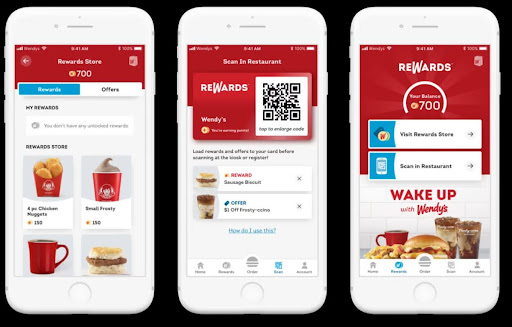
Some are even entirely broken and will feed you pure disappointment rather of a junk food treat. Here at Tasting Table, we've chosen to suffer through that aggravation (so you do not need to) by screening and exploring the functionality of the most downloaded loyalty apps, along with apps from nationwide chains that are widely offered.
It's ranked with the worst being something you need to either avoid completely or only trouble with if you're a regular at the associated fast-food chain. Alternatively, the better apps justify utilizing a specific chain more typically. The apps were judged on things like functionality, reliability, and how much value a client obtains from utilizing them.
Advice On Arranging Low-Cost Community Dining
Jimmy John's sandwiches taste wonderful, but its commitment app is among the worst on the marketplace and can be found in last location as a result. The problem depends on how points are allocated. Rather of embracing a spend-based system, Jimmy John's instead designates points based on the number of transactions you make.

Latest Posts
Top Food Savings Apps for Event Savings
Best Budget Meal Services in 2026
Sourcing Affordable Catering Options in 2026